
A camera system should be planned around what you need to see and how the site operates. Choosing cameras is one part of that plan; recording, connectivity, installation and support matter too.
Define what each camera needs to do
List the areas that matter and the purpose of each view: an entrance, a parking area, a counter or a wider space. Discuss lighting, mounting positions and the detail required with the installer. A site assessment helps turn those goals into an equipment list.
Check the whole path
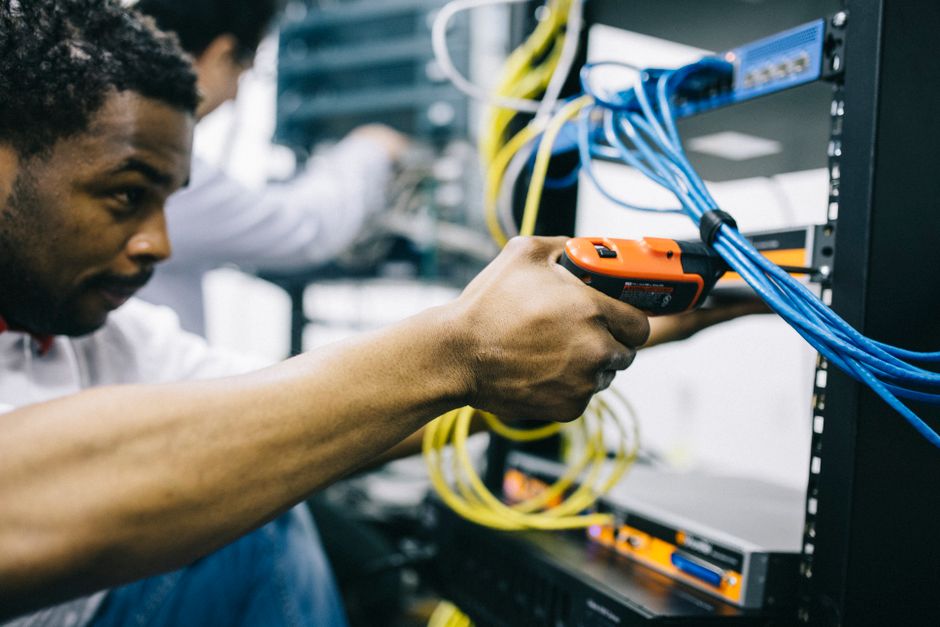
Consider how cameras will connect to the network, how they will be powered and where recording equipment will live. Include cabling, switches, mounting hardware and any backup-power requirements in the discussion. Confirm that the proposed components are compatible.
Plan recording and access
Explain who needs to review footage, from where, and how recordings will be used. Ask the supplier to explain recording capacity, retention choices and user access for the proposed configuration. These decisions should be part of the system design, rather than left until installation.
Allow for change
Think about areas you may add later and ask what expanding the system would involve. Keep a record of camera locations, model numbers, network details and the equipment supplied. Clear documentation makes later maintenance and changes easier to manage.
Ask for a complete installation quote
Request a breakdown covering cameras, recording equipment, storage, networking, power, cabling, installation and handover. Confirm exclusions and support arrangements before proceeding.
Describe your site and the areas you need to cover in an enquiry. You can add cameras and related equipment to a list while you explore the catalog.